Logo Loading Please Wait...

Software Development Best Practices Every Indian Tech Team Should Follow in 2026

Software Development Best Practices Every Indian Tech Team Should Follow in 2026
3 April 2026

There’s a pattern that shows up in almost every software project that goes wrong. The team was talented. The idea was solid. And somewhere between the first sprint and the sixth month, everything became harder than it needed to be — bugs piling up, deployments breaking things, nobody sure what version of the code was running in production.

It’s rarely a skills problem. Almost always a practices problem.

The practices that prevent this are well understood — refined over decades by teams far larger and messier than most Indian startups will ever be. The tools to implement them are more accessible than ever. No excuse for a team of five to work without the basics.

Here’s what those basics look like.

1. Agile Done Right — Not Just Standups and Post-It Notes

Most Indian development teams will tell you they work in Agile. A lot of them are doing something that looks like Agile from the outside but functions like chaos from the inside — scope constantly changing, no real definition of done, retrospectives nobody takes seriously.

Agile isn’t a meeting cadence. It’s a set of principles built around delivering working software in short cycles and adjusting based on what you learn.

What Agile requires to work:

  • A clear definition of done for every task — “done” means tested, reviewed, merged, and deployable; not “I finished coding it”
  • Sprint planning that respects capacity — consistently over-committing and carrying work forward is a planning problem, not a team problem
  • Retrospectives that produce actual changes — if your retro ends with the same list as last month’s, the retro isn’t working
  • A product owner who can make decisions — Agile breaks down fast when every requirement needs three levels of approval before the team can move
  • Backlog grooming before it’s urgent — teams that only look at upcoming work the day before sprint planning spend half the sprint clarifying requirements instead of building

Scrum is one way to implement Agile. Kanban is another. The framework matters less than whether your team is genuinely improving or just going through the motions.

2. Code Reviews That Actually Improve Code

Code review is one of the highest-leverage activities in any software team. Done well, it catches bugs early, spreads knowledge, and raises the quality floor for everyone. Done badly, it’s a bottleneck that slows delivery without providing much value.

What makes a code review useful:

  • Review for logic and intent, not just style — linting tools handle style; human reviewers should focus on whether the code does what it’s supposed to, handles edge cases, and makes sense six months later
  • Keep pull requests small — a 1,200-line PR gets rubber-stamped; a 150-line PR gets genuinely reviewed; large features should be broken into reviewable chunks
  • Give specific, actionable feedback — “this could be better” is not useful; “this will fail if the API returns null — there’s no null check on line 47” is useful
  • Separate blocking from non-blocking comments — be clear whether something must be addressed before merge or is just a suggestion; ambiguity creates unnecessary back-and-forth
  • Review your own code first — read through the diff before requesting a review; you’ll catch at least two things you missed while writing it

A team that reviews code well builds better code over time. Simple as that.

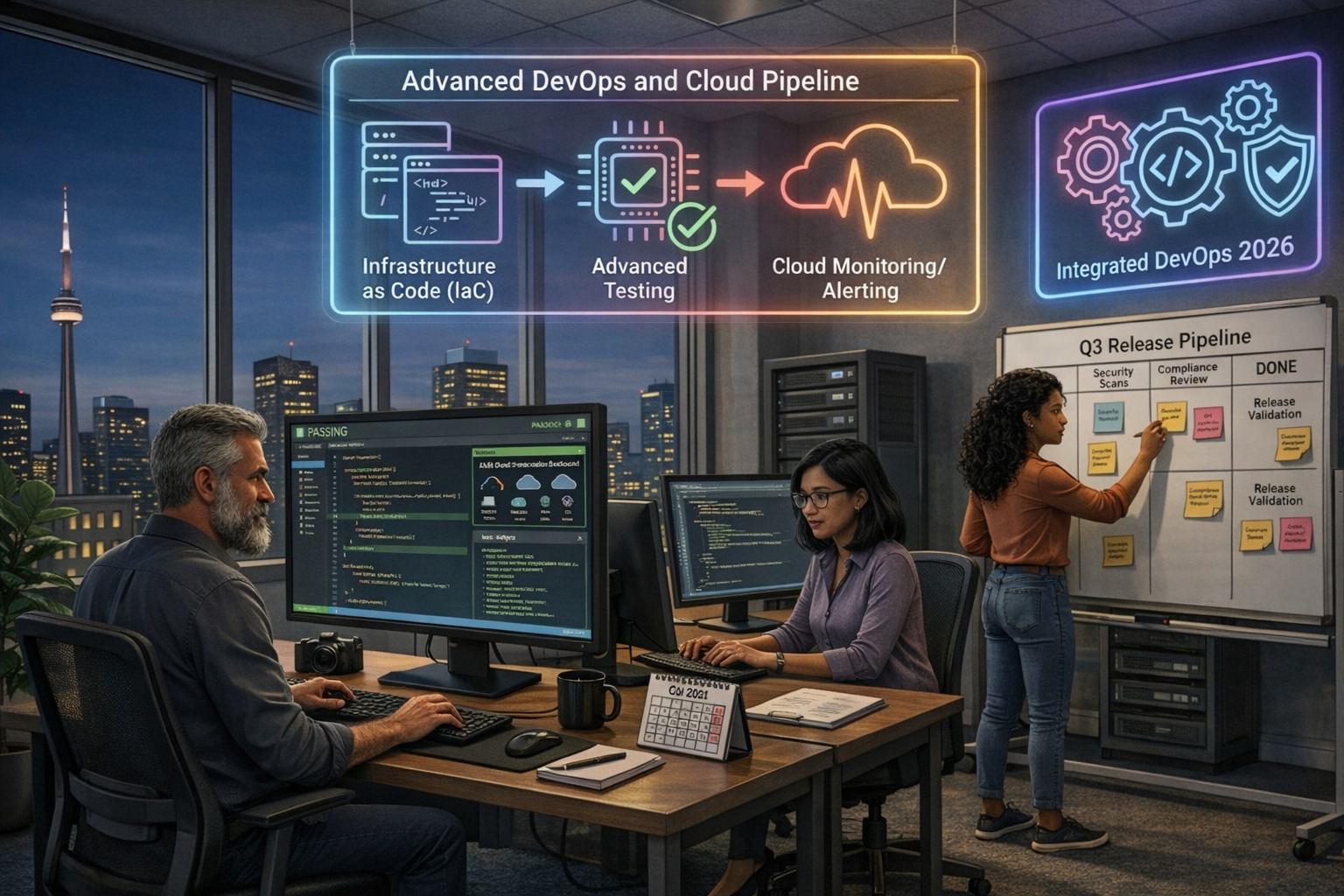
3. CI/CD Pipelines — Stop Deploying by Hand

Manual deployments are one of the most reliable ways to introduce bugs into production. They’re inconsistent, stressful, and happen less often than they should — which means more changes accumulate between deployments and more things can go wrong at once.

CI/CD changes this. Every merge triggers an automated pipeline — tests run, the build is verified, and if everything passes, code moves toward production without anyone SSHing into a server and running commands manually.

What a solid CI/CD pipeline covers:

  • Automated tests on every commit — unit tests at minimum, integration tests on critical flows; the pipeline should fail loudly when tests don’t pass
  • Build verification — build in the pipeline exactly as you build for production; environment differences between developer machines and servers cause more mysterious bugs than most teams realise
  • Staging before production — problems caught in staging are problems that never reached your users
  • Rollback capability — deployments go wrong; rolling back to the previous version in under five minutes is not optional for any production system
  • Notifications that reach the right people — a failing pipeline nobody sees is useless; build status should be visible to the whole team, not buried in an email nobody reads

GitHub Actions, GitLab CI, and Jenkins are widely used and well-documented. There’s no reason any team in 2026 should be deploying manually.

4. Clean Code Is Not About Aesthetics

“Clean code” gets discussed like a preference — something developers care about but that doesn’t affect outcomes. That’s wrong. Messy code slows every future change and makes onboarding significantly more painful.

Clean code is about making future work easier. That’s it.

Principles worth following:

  • Functions should do one thing — a function doing three things should be three functions; each one becomes testable, readable, and replaceable independently
  • Names should mean something — variables named data, temp, or x produce code nobody understands in three months, including the person who wrote it
  • Comments explain why, not what — if code needs a comment to explain what it does, rewrite the code; comments explaining the reasoning behind a non-obvious decision are genuinely useful
  • Don’t repeat yourself — duplicated logic in three places means fixing a bug requires finding all three; abstraction exists to prevent this
  • Leave the code better than you found it — small improvements made consistently over time compound into significantly better codebases

Architecture matters too. A well-structured codebase with clear separation of responsibilities is far easier to change than one where everything is tangled. Think about architecture before the codebase is large enough that changing it becomes painful.

Teams That Ship Well Do These Things Consistently

The difference between teams that ship reliable software and those that don’t usually isn’t technical ability. It’s whether these practices are genuine commitments or optional extras that get dropped when deadlines tighten.

They get dropped precisely when they matter most.

If your team is building software and you want these foundations right from the start, AllUpNext has been helping teams across India and Australia ship reliable software for over 13 years. Get in touch and let’s talk.