 Loading Please Wait...
Loading Please Wait...
Loading Please Wait...
Talked to a security company owner last month who lost a major contract. The client had asked a simple question during renewal negotiations: "Can you prove your guards walked the entire property during each patrol?"
He couldn't. Had paper logs showing guards signed in and out. Had timestamps indicating they were on-site. But actual proof they walked all six buildings, checked every door, inspected the parking areas? Nothing. Just trust and signatures.
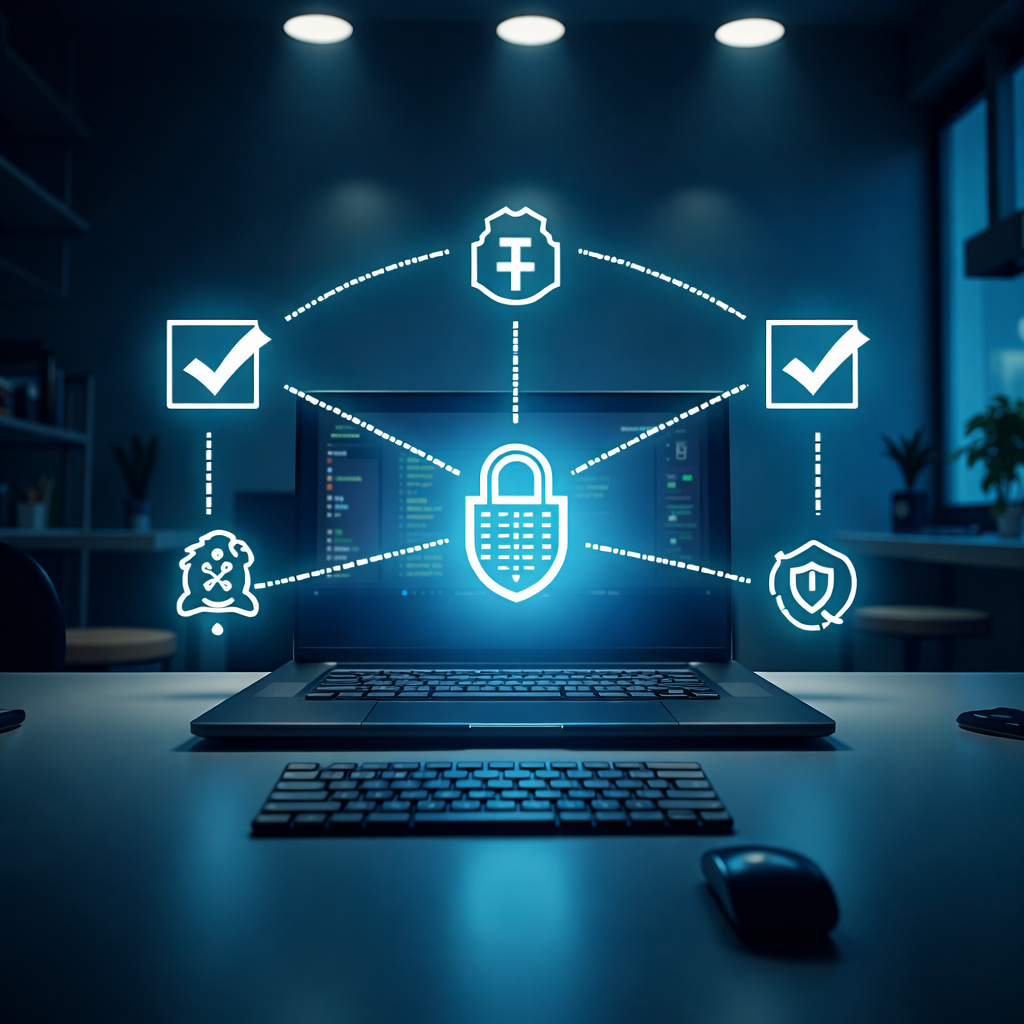
Competitor came in with a security guard patrol tracking system showing GPS routes, checkpoint scans with timestamps, photos from each building, and incident reports linked to exact locations. Client saw verified patrols versus paper promises and made the obvious choice.
That's a $180,000 annual contract lost because one company operates like it's 2005 while competitors moved into the present decade. And this isn't rare—it's happening constantly as clients realize they can demand proof instead of accepting promises.
Let's walk through traditional patrol tracking. Guard arrives at property, signs logbook. Supposedly walks the patrol route checking doors, windows, fences, lighting, suspicious activity. Returns to starting point, notes anything unusual, signs out.
How do you know they walked the route? You don't. How do you verify they checked specific areas? You can't. How do you prove to clients that patrols actually happened as described? You show them papers someone filled out, which proves only that papers got filled out.
I've heard guards admit they'd walk a quick loop, sit in their car for the rest of the patrol time, then fill out the log claiming they did the full route. Not because they're bad people—because there was no verification and they figured out nobody actually checked.
Your honest guards who do proper patrols? They're working harder than the ones cutting corners, and you can't even tell the difference because you're tracking both the same way. That's not fair to good guards, not fair to clients, and definitely not sustainable for your business.
A security guard patrol tracking system doesn't exist to catch lazy guards—though it does that too. It exists to verify and document the work your guards are already doing properly. Turn invisible work into visible proof.
Some security companies think they've solved patrol tracking because they use GPS apps. Guard carries a phone with location enabled. You can see where they are. Problem solved, right?
Wrong. GPS location shows you a dot on a map. That dot might be at the property. You still don't know if they're walking patrols or sitting in their vehicle scrolling Instagram. Location without activity verification tells you approximately nothing.
Real security guard patrol tracking systems record GPS trails, not just current location. You see the actual path guards walked—through parking lots, around buildings, along fence lines. Compare that route to what they should've walked and patterns emerge immediately.
Guard who walks the proper route shows consistent paths matching expected patrol patterns. Guard cutting corners shows shortened routes or gaps in coverage. Guard sitting in one spot shows a GPS dot that doesn't move. All obvious when you're tracking actual movement patterns.
But here's where it gets interesting: GPS trails alone still aren't sufficient. Guard could drive the route instead of walking it. Could walk quickly through areas without actually checking anything. You need checkpoint verification combined with GPS tracking to get complete patrol verification.
NFC checkpoints at specific locations force guards to physically reach certain points. GPS trails show they walked between those checkpoints following proper routes. Together you have comprehensive verification that patrols actually happened as intended.
AllUpNext builds security guard patrol tracking systems combining GPS trails with checkpoint verification and incident reporting. Not just "guard was somewhere on the property" but "guard walked this specific route, checked these locations, and documented these findings."
Throw some NFC tags around a property, call it patrol tracking, and you're halfway there. But checkpoint placement matters more than most companies realize.
Random checkpoint placement is useless. Tag on the front door? Great, now you know guards entered the building. What about the back loading dock that thieves love? The equipment yard where copper wire gets stolen? The parking area where cars get broken into?
Strategic checkpoint placement forces guards to check vulnerable areas, not just convenient ones. Place tags at doors that should stay locked, equipment that needs monitoring, blind spots where problems occur, transition points between patrol zones.
But quantity matters too. Too few checkpoints and guards can skip large areas. Too many checkpoints and patrols take forever while guards just tap tags without actually observing anything. We typically recommend one checkpoint every 3-5 minutes of patrol time for proper coverage without excessive overhead.
Checkpoint placement should also match actual security concerns. High-theft areas get more frequent checkpoints. Lower-risk areas get fewer but still enough to verify coverage. Adjust placement based on incident patterns—if a particular area has repeated problems, add verification points there.
Security guard patrol tracking systems should make checkpoint management easy. Add checkpoints, modify routes, adjust requirements without needing consultants or support tickets. Your security needs change—tracking systems need to adapt quickly.
Checkpoints prove guards reached specific locations. Don't prove they took the proper path between checkpoints. Guard could scan checkpoint A, cut through a building lobby, scan checkpoint B—missing the entire perimeter they were supposed to inspect.
Route enforcement compares actual GPS trails against expected patrol paths. System knows guards should walk the fence line, not through the middle of the property. Should check all building sides, not just the front entrance. Should inspect parking areas systematically, not randomly.
Deviations get flagged. Not necessarily as violations—sometimes there are legitimate reasons to vary routes. Construction blocking normal paths. Weather making certain areas impassable. Emergency situations requiring different responses. But deviations get noticed and can be reviewed.
This matters for consistency. Different guards working the same site should follow similar routes, ensuring comparable coverage. When clients pay for perimeter patrols, every guard should actually walk perimeters, not interpret the requirement differently.
Route enforcement also helps training. New guards see expected paths overlaid on maps in their patrol app. They know exactly where to walk, not just which checkpoints to hit. Reduces errors and brings new guards up to speed faster.
Most off-the-shelf security guard patrol tracking systems don't include sophisticated route enforcement because it's technically complex. Requires good GPS tracking, intelligent path comparison, and understanding of when deviations matter versus when they're fine.
Custom development can implement route logic specific to your operation. Maybe strict enforcement for high-security sites. Flexible routes for properties where exact paths matter less. Different rules for different clients based on their requirements and concerns.
Basic patrol tracking logs data for later review. Guard completes patrol, data syncs overnight, supervisor reviews yesterday's patrols the next morning. This works for documentation and invoicing but fails for operational management.
Guard misses a scheduled patrol—you find out tomorrow morning. Guard encounters a security issue—you hear about it whenever they finish and write a report. Guard gets injured during patrol—you don't know until someone notices they haven't checked in.
Real-time security guard patrol tracking systems update constantly. Patrol starts, you see it on dashboards. Checkpoint gets scanned, timestamp appears immediately. Patrol runs late, alerts fire automatically. Incident gets reported, notifications go out right away.
This transforms tracking systems from documentation tools into operational management platforms. You're not reviewing what happened yesterday—you're managing active security operations as they happen.
Missed patrol gets caught within minutes, not hours. Backup can be dispatched before clients notice coverage gaps. Security incidents get escalated immediately while evidence is fresh and situations are active. Guard emergencies trigger instant response instead of delayed discovery.
We build real-time tracking into security guard patrol tracking systems because that's where operational value lives. Historical records are great for billing and compliance. Real-time visibility lets you actually run security operations instead of just documenting them.
Guard finds something during patrol—broken lock, graffiti, suspicious person, facility damage. Without integrated reporting, they finish the patrol and then figure out how to document the incident. Maybe call supervisor. Maybe write it down for later. Maybe forget because they got busy with other stuff.
Security guard patrol tracking systems should include instant incident reporting. Guard encounters something, taps incident button right in the patrol app. Takes photos on the spot. Adds description and location automatically. Submits immediately.
That incident report gets linked to the patrol record, tagged with GPS location, timestamped accurately, and routed to appropriate people instantly. Nothing gets forgotten or delayed. Documentation happens at the moment of discovery when details are fresh.
Photo evidence is critical. Guard reports "broken window" but what does that mean? Small crack? Shattered completely? Photo shows exactly what they found. Later disputes about conditions? Photos taken during patrol prove what existed when.
We've built incident reporting seamlessly integrated into patrol apps. Guard doesn't switch screens or leave the patrol workflow. It's as natural as scanning the next checkpoint, so guards report everything they should instead of skipping minor issues because reporting is annoying.
Incident data also feeds analytics. Which sites have most incidents? What types of problems occur where? What times are highest risk? This intelligence informs staffing decisions, client recommendations, and security strategy improvements.
Your clients don't care about your internal operations. They care whether their property is secure and whether they're getting value for money spent. Security guard patrol tracking systems should provide client-facing transparency.
Basic approach sends summary reports. "Guards completed patrols at scheduled times." Better than nothing but still requires client trust that reports are accurate.
Advanced approach provides client portals. Clients log in anytime, see recent patrols with GPS routes displayed on property maps, review checkpoint scans with timestamps, view photos from incidents, download detailed reports.
This changes sales conversations completely. You're not asking clients to trust your promises—you're showing them proof. Verified patrol coverage with documentation is objectively worth more than "trust us, we did the patrols."
Clients who can see their security coverage also stick around longer. They understand exactly what they're getting. No ambiguity about service delivery. Renewal conversations focus on results and needs instead of trust and verification.
We build client portals as standard components of security guard patrol tracking systems because that's where competitive advantage lives. Security companies offering transparent verification win contracts over companies still operating on paper and promises.
Portal customization matters too. Different clients care about different things. Commercial properties want incident reports and coverage verification. Industrial sites want safety compliance documentation. Residential communities want activity summaries. Custom portals deliver what specific clients value most.
Security guard patrol tracking systems collect massive amounts of data. Checkpoint scans, GPS trails, incident reports, timing information, weather conditions, guard performance. What do you do with all that?
Most companies do nothing. Data sits in databases, occasionally gets pulled for client reports, otherwise ignored. That's wasting the most valuable part of patrol tracking systems—operational intelligence.
Good analytics answer business questions. Which guards complete patrols most efficiently? Which sites have highest incident rates? What times need increased coverage? Which routes take longer than scheduled? Where are response times slowest?
These insights drive real improvements. Identify training needs based on performance patterns. Optimize routes based on actual timing data. Adjust staffing based on incident frequency. Recognize high performers objectively instead of through supervisor gut feelings. Catch developing problems before they become emergencies.
We build analytics dashboards customized for security operations. Not generic charts that come with off-the-shelf systems—visualizations designed around specific questions security companies need answered.
How profitable is each client when you factor in actual patrol times versus billable rates? Which guards cost you money through inefficiency? What seasonal patterns affect security needs? All answerable when you're collecting comprehensive tracking data and analyzing it properly.
Security guard patrol tracking systems live or die based on mobile app quality. If guards hate the app, they'll resist using it or work around it. If the app makes their jobs harder, adoption fails no matter how good the backend is.
Apps need obvious workflows. Open app, see current patrol assignment, tap to start. Walk route scanning checkpoints. Encounter issue, report it. Finish patrol, review and submit. Every action clear and simple with minimal taps.
Work in real-world conditions. Function with gloves on for winter patrols. Readable in bright sunlight and darkness. Conserve battery because guards work long shifts without charging access. Provide haptic feedback so guards know actions registered. Display clear status showing patrol progress and what's next.
Most importantly, work offline. Security patrols happen in parking garages, basements, remote locations—places without reliable cell coverage. Apps that break when signal drops are useless where they're needed most.
Proper offline capability means guards can complete entire patrols without connectivity. Checkpoints scan, incidents get reported, everything stores locally. When signal returns, data syncs automatically. Guards never think about connectivity—the app just works everywhere.
We design patrol apps with extensive guard input. Not what developers think should work—what actually works for guards walking patrols in real conditions. Test with real guards in actual environments. Iterate based on feedback from people using it daily.
Security guard patrol tracking systems don't exist in isolation. They need to connect with scheduling software so patrols align with shift assignments. Feed data to billing systems so completed patrols generate accurate invoices. Update payroll based on actual hours worked including patrol time. Sync with client management systems.
Off-the-shelf tracking systems offer limited integrations. Usually the most popular platforms and nothing else. Your specific scheduling tool? Not supported. Your invoicing system? Too bad. Your client portal? Figure it out yourself.
Custom security guard patrol tracking systems integrate with whatever you're actually using. AllUpNext builds APIs connecting your specific tools. Patrol completes, data flows to billing automatically. Incident gets reported, notification goes through your communication platform. Guard clocks out, hours sync to payroll without manual entry.
This integration eliminates manual data transfer, reduces errors, saves administrative time, and makes your entire operation more efficient. The tracking system becomes the operational hub connecting scheduling, billing, payroll, and client communication.
Should you buy off-the-shelf security guard patrol tracking systems or build custom? Honest evaluation based on your operation and goals.
Off-the-shelf makes sense if you're small, have straightforward patrol needs, and existing products fit well. Lower upfront cost, faster implementation, good enough functionality.
Custom development makes sense if you're growing, have complex patrol requirements, need specific integrations, or want competitive differentiation through superior tracking and client transparency. Higher initial investment but delivers exactly what you need.
Many security companies start with off-the-shelf and later switch to custom when limitations become expensive. You've paid for software you're replacing plus custom development. Better to evaluate honestly upfront whether off-the-shelf will work long-term.
AllUpNext helps security companies make this decision based on actual requirements. Sometimes the answer is "existing tools are fine." Sometimes it's "custom development pays for itself within a year through operational improvements and competitive advantage."
Right now you probably don't know with certainty whether all scheduled patrols are actually happening. Don't know if guards are checking every area they should. Don't know if clients are getting the coverage they're paying for. Just trust, assumptions, and paper trails that prove nothing.
That's not sustainable when clients can choose security companies offering verified patrols with complete documentation. Not competitive when others provide transparency while you're asking for trust. Not safe when you can't verify guard locations or respond quickly to emergencies.
Security guard patrol tracking systems aren't about micromanaging—they're about verification, documentation, and operational visibility. Good guards appreciate accountability that proves they're doing jobs properly. Clients value transparency that shows exactly what they're getting.
AllUpNext builds custom software for companies ready to move beyond paper logs and hope. GPS trail recording, checkpoint verification, real-time monitoring, incident reporting, client portals, operational analytics—everything needed to run modern security patrol operations efficiently and verifiably.
Because your clients aren't paying for promises about patrols. They're paying for verified security coverage. Time to deliver what they're actually buying and prove you delivered it.